If you want to sell shirts online without inventory, the best move is a made-to-order setup. You don’t buy stock first. You launch one shirt, send traffic to one page, and only print after a real order comes in.
That’s a much better fit for creators than the old store-first model.
Most creators don’t want boxes of shirts in the garage, a paid store plan, and five tools stitched together just to test one idea. You want to put a design on a strong tee, share the link, and see if your audience buys.
We’ve seen that while building Teezzi. The launches that move fastest usually keep the offer small, the page simple, and the risk close to zero.
Why inventory-first t-shirt selling slows creators down
Selling shirts online sounds easy until the setup starts to look like a full retail business.
That’s where most people get stuck.
Bulk inventory means guessing sizes, colors, and demand before you know if anyone wants the drop. If you guess wrong, you don’t just lose time. You sit on unsold shirts and dead cash.
The store stack can make it worse. You start with a t-shirt idea, then end up thinking about domains, themes, print apps, taxes, support, and shipping rules. A simple launch starts to feel much heavier than it should.
The bigger problem is speed. Creator merch often works best when it’s tied to a joke, a phrase, a video, or a current moment. If the setup takes too long, the moment goes cold.
What a better no-inventory t-shirt setup looks like
If you want to sell shirts online without inventory, the better model is simple on purpose.
No stock before the sale
The shirt should only get printed after a buyer pays. That keeps your upfront cost at zero and removes the risk of sitting on sizes that never move.
One page for one shirt
Most social traffic doesn’t want a full catalog. It wants the exact shirt you just mentioned. A focused page usually works better than a big storefront because the buyer doesn’t have to browse around first.
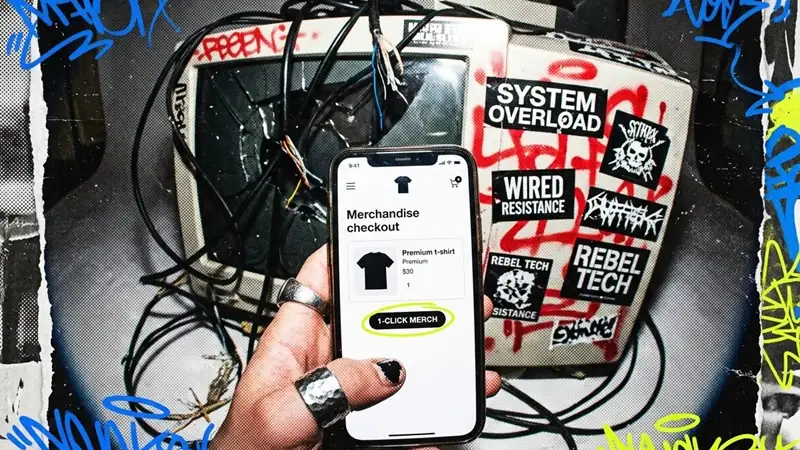
That’s why a link in bio merch store makes so much sense for creator traffic. Fans tap once, see the shirt, pick a size, and check out.
Clear numbers before you publish
You should know the base cost, your sale price, and what you keep before the page goes live. If the profit math is fuzzy, you’ll hesitate when it’s time to promote the drop. Our guide on how to price creator merch breaks that part down in a simple way.
A shirt people actually want to wear
No-inventory doesn’t mean low-quality. The tee still needs to feel worth buying. If you want the deeper product-angle breakdown, the best quality print-on-demand shirts for creators explains why the blank matters so much.
How to sell shirts online without inventory with Teezzi
Teezzi keeps the workflow tight.
At launch, the platform is built around one premium Bella + Canvas 3001 t-shirt, one custom Teezzi link, and one mobile-first product page. There are no monthly subscription fees and no upfront inventory costs. You bring the design and the audience. Teezzi handles the storefront, printing, shipping, payments, and buyer support.
Here’s what the setup looks like:
| Step | What you do | What Teezzi handles |
|---|---|---|
| 1. Claim your link | Pick the branded Teezzi page for the shirt | Creates a focused product page you can share |
| 2. Upload your design | Add the artwork for the shirt | Turns the design into mockups for the page |
| 3. Set your price | Choose the retail price after seeing the floor | Shows projected earnings before you publish |
| 4. Share the drop | Add the page to TikTok, Instagram, YouTube, or your link hub | Prints, ships, processes payments, and supports buyers after each order |
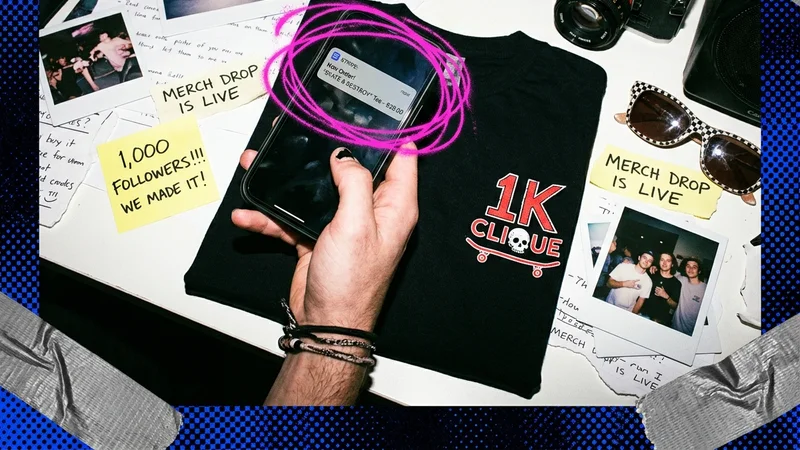
When a fan orders, the shirt is printed and shipped after the sale. That means you can start selling online without buying stock first.
Creators can sign up globally, and payouts run through Stripe Connect. At launch, buyers still need a United States shipping address.
Simple no-inventory shirt margin example
The key is seeing the math before you promote the shirt. For example, if your dashboard showed a $24 floor and you priced the shirt at $34, your projected creator earnings would be $10 per shirt before any refunds or adjustments. Use the actual floor shown in Teezzi for your drop; the example is only there to show the pricing logic.
That clarity matters because a no-inventory t-shirt launch still needs a real margin. If the price feels too high for the audience, adjust the design, timing, or offer before pushing the link harder.
What we’ve learned from creator t-shirt launches
The creators who get stuck usually aren’t missing effort. They’re carrying too much setup.
We’ve learned that a single premium shirt tied to a clear moment usually has a better shot than a rushed mini-store with too many choices. When a fan clicks from a Reel, Short, Story, or podcast link, they already know what they want. The page should help them finish the buy, not start a shopping trip.
We’ve also learned that the product quality matters more than people expect. A fast launch is great, but if the tee feels cheap when it arrives, the next launch gets harder. That’s why Teezzi keeps the product focus narrow at launch instead of acting like a giant catalog platform.
If you want the broader platform comparison, the best print-on-demand platform for creators goes deeper on why simpler funnels usually win.
Why this model works better for online t-shirt sales
The point isn’t just saving money on inventory. It’s making the whole launch easier to finish.
When you don’t have to buy shirts first, the risk drops. When the page is built around one product, the path to checkout gets shorter. When the margin is clear, you’re more likely to promote the shirt with confidence.
That’s why this model works so well for creators, community builders, meme pages, podcasters, YouTubers, and anyone else selling from social traffic. You’re not trying to run a warehouse. You’re trying to turn attention into sales before the attention fades.
If you want the broader merch version of this playbook, the easiest way to sell merch online without buying inventory covers the same logic from a wider angle.
You don’t need inventory to prove demand. You need one good t-shirt, one clear page, and one buying path that feels easy on mobile.
This is the point where the lighter setup starts to beat the heavier one.
Frequently asked questions
Can you really sell t-shirts online without inventory?
Yes. With a made-to-order setup, the t-shirt is only printed after a buyer places an order. That means you don’t need to buy shirts up front or hold stock before you launch.
What is the best way to sell shirts online without inventory?
For creators, the simplest path is usually one premium shirt, one mobile-first product page, and one clear link from the social post to checkout. That keeps the launch smaller and avoids turning one shirt idea into a full ecommerce build.
Do I need Shopify or a full online store first?
No. If you’re selling one shirt from social traffic, a focused product page is usually enough. A full store makes more sense when you need a bigger catalog and a broader ecommerce setup.
Can creators outside the US use Teezzi?
Yes. Creators can sign up globally. To withdraw earnings, you need access to Stripe Connect in your country. At launch, buyers need a United States shipping address.
What happens if a buyer orders the wrong size?
Because Teezzi shirts are made to order, returns or exchanges aren’t offered for buyer’s remorse or wrong size selection. The page includes clear size guidance to help buyers choose before they check out.
Who handles printing, shipping, and support?
Teezzi does. The platform handles the storefront, printing, shipping, payments, and buyer support. If there’s a manufacturing defect or shipping damage, Teezzi handles the replacement or refund directly with the buyer.