Creator merch usually doesn’t fail because fans hate the shirt. It fails because the buying path asks too much from people who clicked from social.
A fan sees a TikTok, Reel, Short, Story, or podcast clip. The shirt makes sense in that moment. They tap the link because they want the thing they just saw.
Then too many stores make them browse.
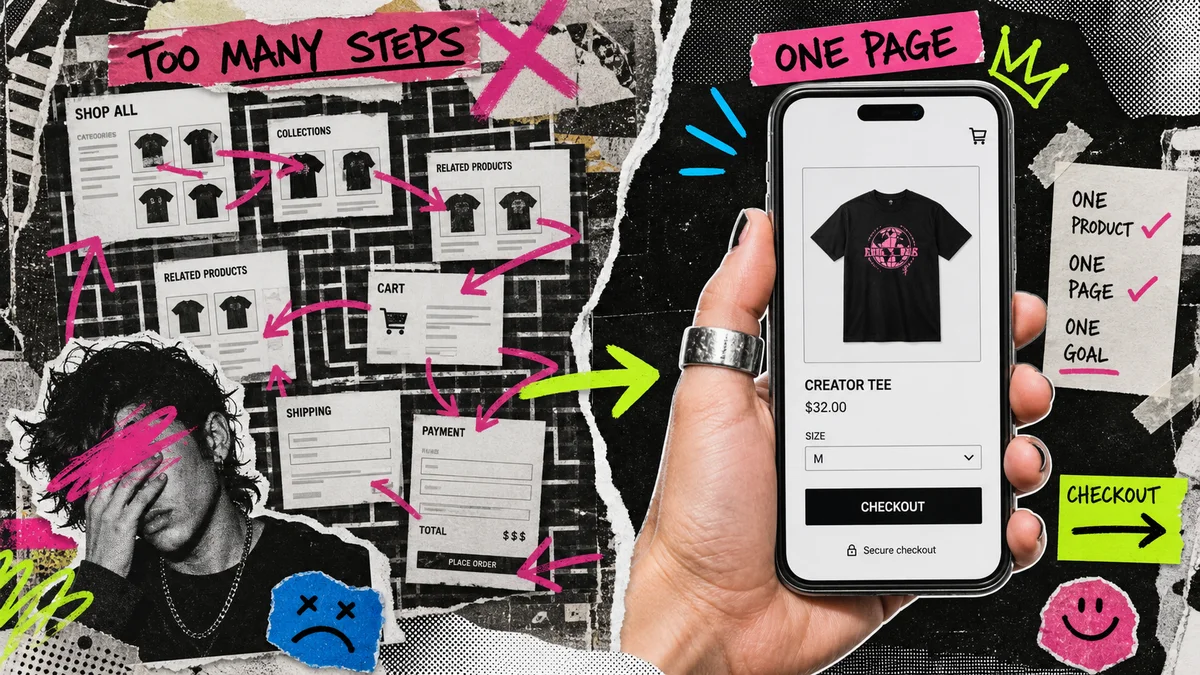
That’s the problem single-page creator merch stores solve. They keep the buyer on one focused path: see the shirt, pick a size, check out.
Why creator merch needs a shorter buying path
Social traffic is not the same as store traffic.
Search shoppers may compare products. Email subscribers may read a longer pitch. Social buyers are usually moving fast. They clicked because a piece of content created demand right now.
| Store flow | What it asks the fan to do | Risk |
|---|---|---|
| Full storefront | Browse products, pages, menus, and cart steps | The fan forgets why they clicked |
| Link menu plus store | Choose a button, open a store, find the item, check out | Extra taps drain intent |
| Single-page merch store | Land on the product, choose size, check out | Less room for distraction |
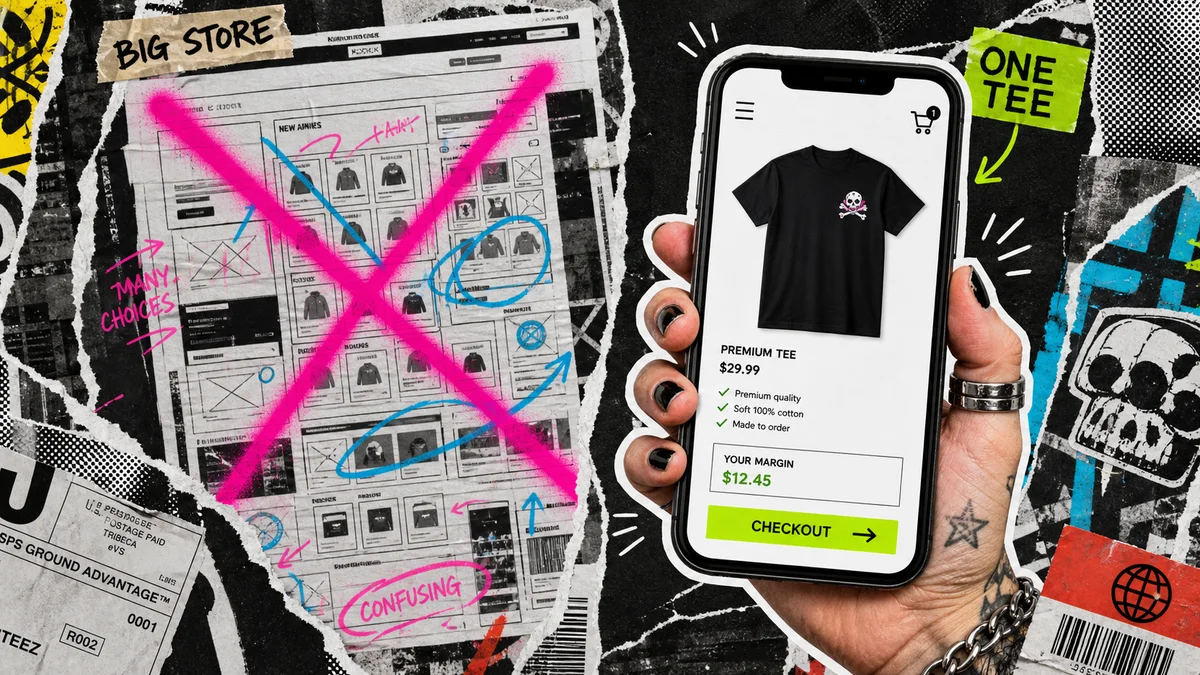
That doesn’t mean full stores are bad. They can be great for brands with many products and repeat shoppers. But many creators are not trying to run a catalog. They’re trying to sell one shirt tied to one moment.
For that job, the shorter path often wins.
The old storefront model creates too many decisions
A traditional store adds decisions for both the creator and the fan.
The creator has to pick a theme, write pages, choose products, connect tools, and think through support. The fan has to navigate a store that may not match the reason they clicked.
That friction gets worse on mobile. Most creator traffic comes from phones, often inside an in-app browser. Small screens make every extra step feel bigger.
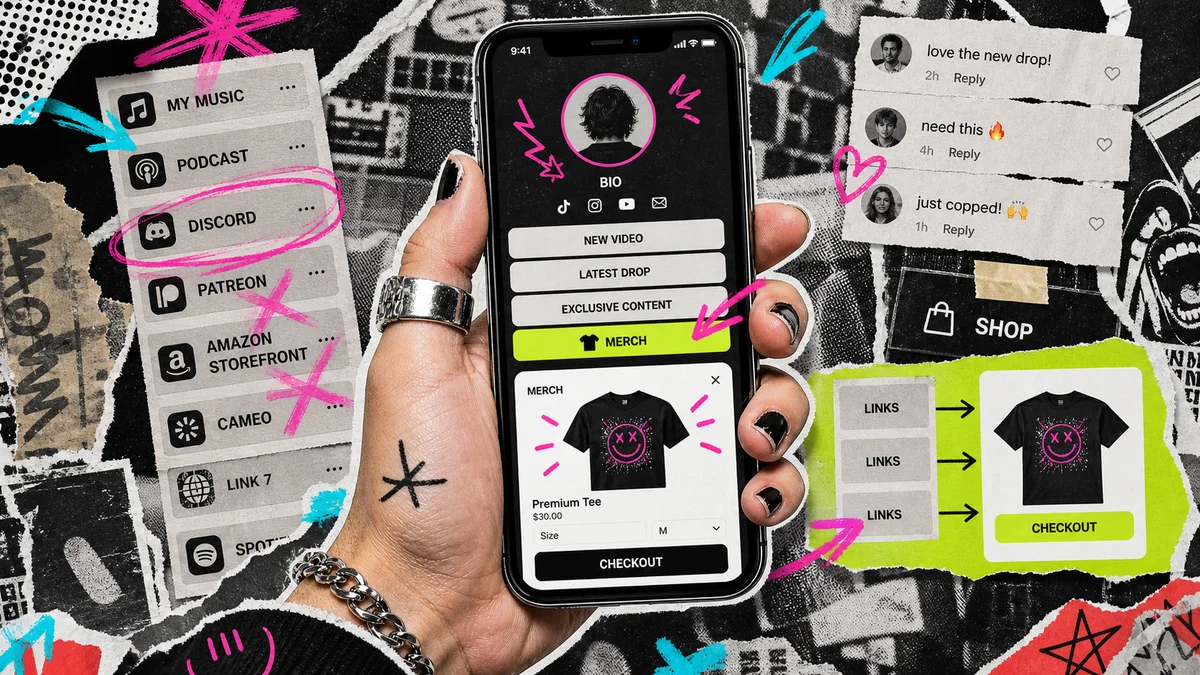
If your audience came from TikTok, the page should feel like the next step from the video. If they came from Instagram, the page should match the Story or Reel. If they came from YouTube, the link should point to the shirt mentioned in the video.
That’s why selling products on your TikTok link in bio and selling merch on Instagram both come back to the same idea: match the destination to the click.
What a single-page merch store should include
A focused page is not a bare page. It still needs enough trust to help the buyer feel safe.
The best single-page creator merch stores include:
- One clear product: The fan sees the shirt right away.
- Strong mockups: The product looks real and easy to understand.
- Size guidance: The buyer can choose with less doubt.
- Clear price: No surprises before checkout.
- Trusted checkout: Payments should feel safe and familiar.
- Order support: Buyers need to know someone handles issues.
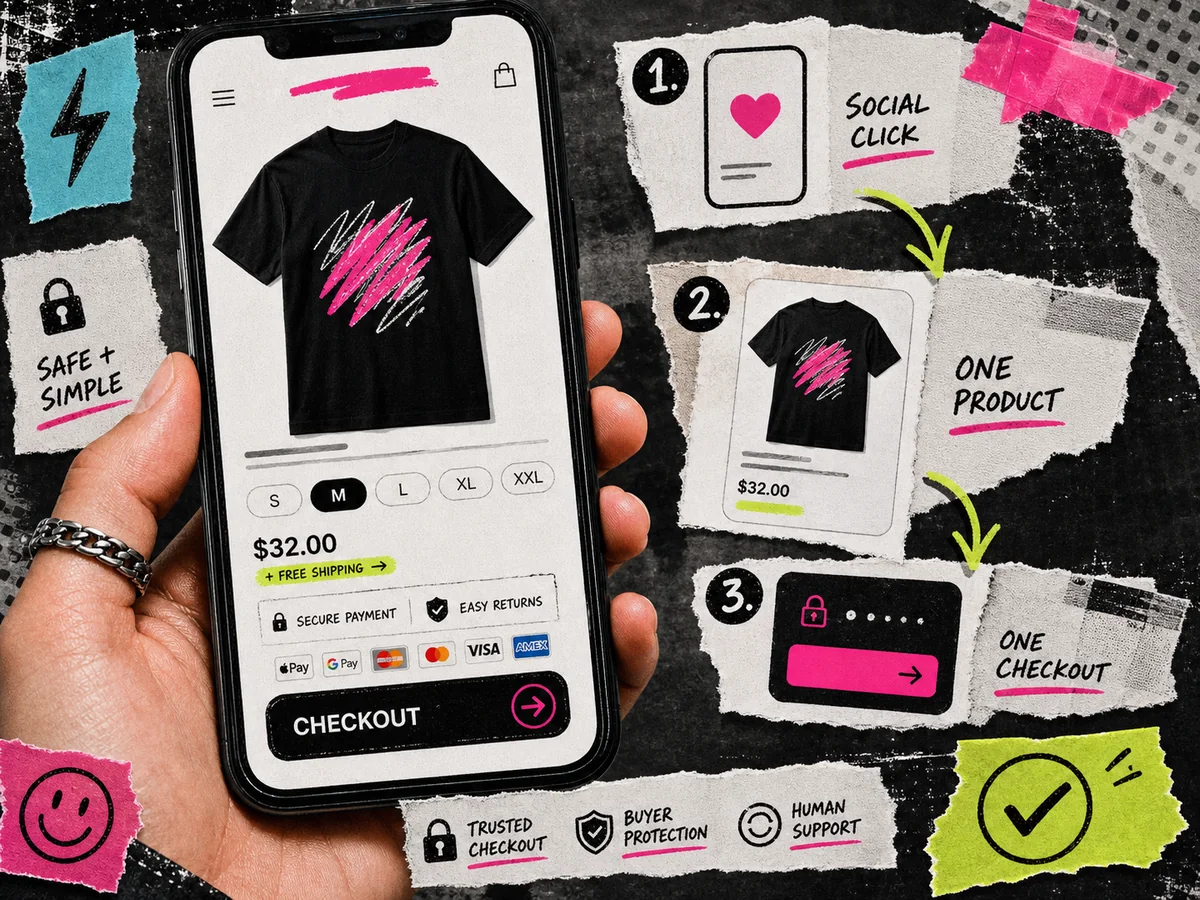
If pricing is unclear, the creator hesitates. If sizing is unclear, the buyer hesitates. If checkout feels strange, the sale can die. The page has to make the next step feel obvious.
How Teezzi applies the single-page model
Teezzi is built around this idea on purpose.
At launch, creators get one custom Teezzi link and one mobile-first product page for a premium Bella + Canvas 3001 tee. There’s no monthly subscription, no upfront inventory cost, and no full store build before the first drop.
The creator workflow is short:
- Claim the page. Get a branded Teezzi URL.
- Upload the design. Add your artwork and generate the merch page.
- Set the price. See the base cost and projected earnings before publish.
- Share the link. Add it to your bio, Story, video description, pinned comment, or link hub.
When buyers order, Teezzi handles the storefront, printing, US shipping, payments, and buyer support. Creators can sign up globally, and payouts run through Stripe Connect. To withdraw funds, creators need access to Stripe Connect in their country. At launch, buyers need a United States shipping address.
If you want the practical setup guide, how to launch a link in bio merch store in minutes walks through the workflow.
Why focus can beat catalog depth
Catalogs can be useful once a creator has proven demand. But they can also hide the hero product.
For a first merch drop, focus is a feature. One shirt helps the creator explain the offer. One page helps the fan understand what to do. One checkout path reduces the chance of losing the buyer.
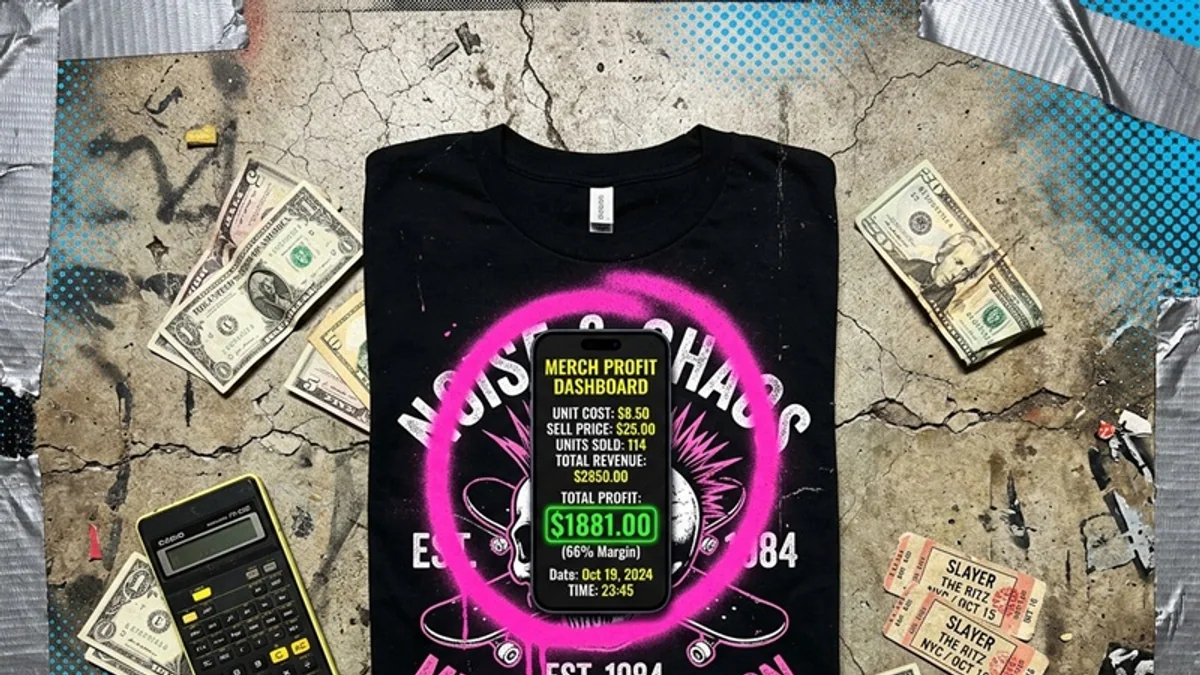
That focus also helps pricing. When you’re selling one premium tee, you can think clearly about base cost, retail price, and margin. How to price creator merch covers that math in more detail.
The single-page model is not about being small forever. It’s about giving the first drop a clean test. If one shirt works, you can learn from it. If it doesn’t, you haven’t spent weeks building a store or buying inventory.
That’s why selling t-shirts online without inventory pairs so well with this model. The risk stays low while the buying path stays direct.
The creator merch takeaway
The best merch store for a creator is not always the biggest store.
It’s the store that matches how fans buy.
If fans click from a piece of social content because they want one shirt, send them to one shirt. Give them the product, the size options, the price, and the checkout path. Keep the promise simple.
That’s where single-page creator merch stores shine.
When one focused page is enough, don’t make fans take the long way.
Frequently asked questions
What is a single-page creator merch store?
It’s a merch page built around one product and one checkout path. Instead of sending fans through a homepage or catalog, it sends them straight to the shirt they came to buy.
Do single-page merch stores always convert better?
Not always. Bigger stores can work well for creators with large catalogs and repeat shopping behavior. But for social-first drops built around one shirt, a single-page flow often fits buyer intent better.
Why does Teezzi focus on one tee at launch?
Teezzi focuses on one premium Bella + Canvas 3001 tee so creators can launch faster, keep quality consistent, and send fans to a clear product page instead of a broad catalog.
Can creators outside the US use Teezzi?
Yes. Creators can sign up globally if they can use Stripe Connect in their country to withdraw earnings. At launch, buyers need a United States shipping address.
Who handles customer support?
Teezzi handles buyer support, along with printing, US shipping, and payments. Because shirts are made to order, returns or exchanges aren’t offered for buyer’s remorse or wrong size selection. If there’s a defect or shipping damage, Teezzi handles the replacement or refund.